

With the arrival of winter, the cold and shorter days can make it more difficult to maintain a consistent workout routine. However, continuing to stay active even during the winter months is essential for preserving physical health, mental well-being, and overall body functionality.
Training in winter doesn’t necessarily mean increasing loads or pushing your body, but rather adapting your activity to environmental conditions and your body’s needs.
Why It’s Important to Train Even in Winter
Regular physical activity during the colder months helps to:
- keep the metabolism active
- support the immune system
- improve mood and counter fatigue and stress
- maintain strength, mobility, and coordination
Drastically reducing movement in winter can lead to joint stiffness, loss of muscle tone, and a higher risk of injuries when resuming activity in spring.
The Importance of Warming Up
With lower temperatures, muscles and joints take longer to reach an optimal condition for movement.
For this reason, warming up becomes even more important than during the warmer months.
It’s advisable to spend at least 10–15 minutes on:
- joint mobility
- muscle activation exercises
- gradual and controlled movements
A proper warm-up reduces the risk of injury and improves workout quality.
Indoor and Outdoor Training: How to Choose
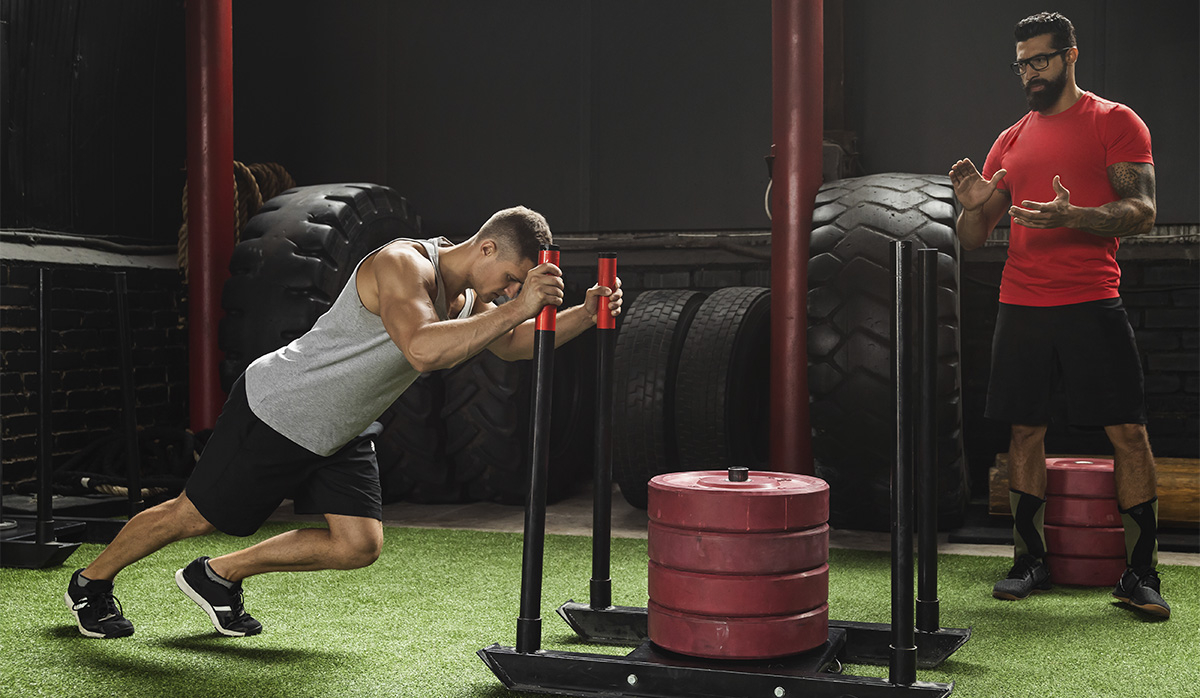
During winter, it’s possible to alternate between indoor and outdoor workouts based on weather conditions and personal preferences.
Indoor Training
- ideal for strength, mobility, and motor control work
- easier to schedule consistently
- suitable for those with limited time
Outdoor Training
- improves endurance and cardiovascular capacity
- encourages exposure to natural light
- helps maintain a good variety of stimuli
The important thing is to choose an activity that is sustainable over time, avoiding a complete stop in movement.
Preventing Stiffness and Injuries
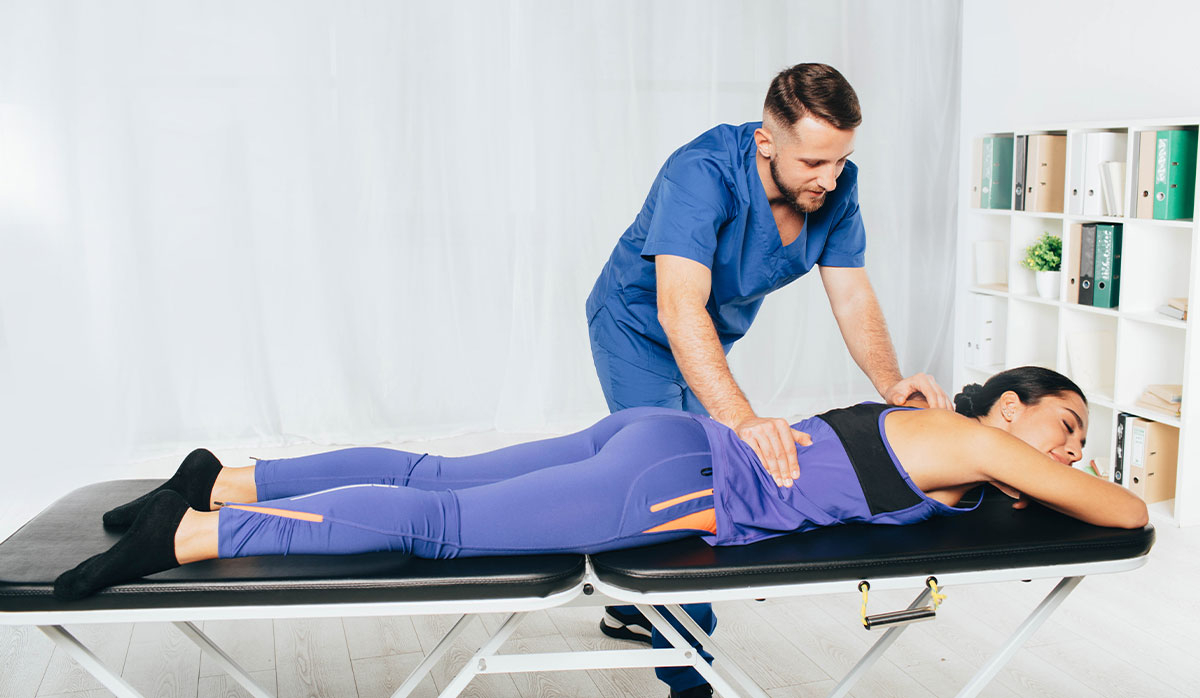
In winter, there is a greater tendency for muscle stiffness, especially in the back, hips, and shoulders.
To counter this, it’s helpful to:
- include daily mobility exercises
- spend a few minutes stretching after workouts
- maintain good hydration
Listening to your body’s signals is essential: persistent pain or marked stiffness should not be ignored.